Category: Science & Medicine

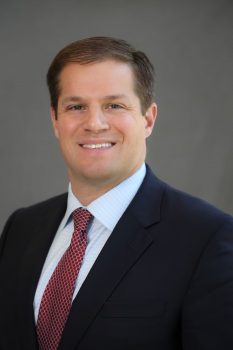
  • Marcela I. Dominguez

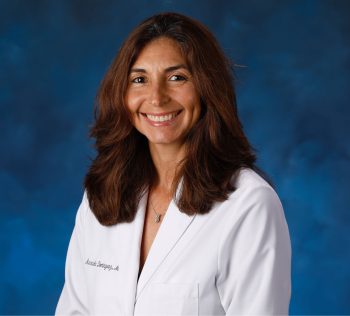
    Marcela I. Dominguez

    Dr. Marcela Dominguez is a board-certified family medicine practitioner who specializes in integrative approaches to patient care.  Investigating underlying causes of illness and restoring normal function is her focus and passion.  Dr. Marcela Dominguez comes to us with over 8 years of integrative concierge medicine experience.  She focuses on providing personalized, comprehensive, customized, whole-person care.

    Dominguez earned her medical degree from UC San Diego, and completed a residency in family medicine at Long Beach Memorial Medical Center.  Expanding her medical expertise and care, Dr. Dominguez completed a fellowship in Integrative Cancer Therapies.  She also has completed a fellowship with the Medical Association for Pediatric Special Needs, so she can better help young patients with more severe and complex medical conditions.   She is currently completing her Chronic Immune Response Syndrome certification to help patients with illness related to exposure to water damaged buildings.

    When Dr Dominguez has free time, she loves playing beach volleyball, tennis, hiking, skiing, and spending time with her family.

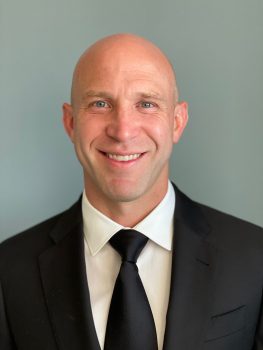
  • John A. Scolaro, MD, MA

    John A. Scolaro, MD, MA

    Dr. Scolaro is a board certified orthopaedic surgeon specializing in trauma and fracture care. A graduate of the University of Notre Dame, he earned his master’s and medical degrees at Boston University School of Medicine, followed by orthopaedic surgical residency at the University of Pennsylvania and fellowship at Harborview Medical Center – University of Washington. His research focuses on perioperative use of cannabinoids to mitigate pain related to skeletal fracture care. He is actively collaborating with Drs. Nelson and Yeung from the Department of Anesthesia & Perioperative Care as well as Dr. Piomelli and the UCI Center for the Study of Cannabis.

  • Aaron J. Przybysz

    Aaron J. Przybysz

    Dr. Aaron Przybysz (pronounced shi-bish) is a board-certified UCI anesthesiologist and pain management physician who specializes in interventional pain management. His clinical interests include spine pain, peripheral joint pain, neuropathic pain, cancer pain, and headache management.

    He earned his medical degree from Michigan State University’s College of Human Medicine in East Lansing and a PhD from Vanderbilt University in Nashville, Tenn., where he studied signaling pathways associated with the oxidative stress response. He completed a residency in anesthesiology and a fellowship in pain medicine at the University of Michigan in Ann Arbor.

    His research interests include the use of perioperative and intraoperative analgesic techniques to reduce post-operative pain, the effects steroid injections may have on diabetes management, as well as the role cannabinoids may play in treating acute and chronic pain.

  • UCLA CRI, Cannabis Conversations with Dr. Daniele Piomelli

    UCLA CRI, Cannabis Conversations with Dr. Daniele Piomelli


    UCLA Cannabis Research Initiative Cannabis Conversations with Dr. Daniele Piomelli,

    “The Brain’s own Cannabis”

  • Effect of Cannabidiol and Δ9-Tetrahydrocannabinol on Driving Performance: A Randomized Clinical Trial.

    Effect of Cannabidiol and Δ9-Tetrahydrocannabinol on Driving Performance: A Randomized Clinical Trial.

    An original investigation conducted by Arkell et al. assayed the effects of cannabidiol (CBD) compared to ∆9-Tetrahydrocannabidiol (THC) on driving performance. The study investigated the effects of vaporized THC-dominant versus CBD-dominant cannabis on driving performance; participants were between 20-50 years of age, had ample driving experience, reported infrequent cannabis use, but had at least 10 prior experiences with cannabis.

    Participants received vaporized cannabis containing either 13.75 mg THC, a combination of 13.75mg THC & 13.75mg CBD (THC/CBD group), just 13.75mg CBD, or a placebo. Participants took a driving test on a 100-km highway circuit while maintaining a speed of 59 miles per hour and a steady lateral position (SDLP)–the distance between the vehicle and the lane boundary to the left of the vehicle, measured using an external apparatus. Cars were equipped with brakes for a licensed driving instructor who monitored safety.

    The THC condition had a significantly increased SDLP compared to both the CBD condition and placebo (P < .001). There was no significant difference in SDLP between the CBD condition and placebo, indicating that CBD alone didn’t significantly alter driving performance. But 300 minutes after THC administration, there was no longer a significant difference in SDLP compared with placebo (P > .99) indicating that the effects had worn off. A secondary outcome, feeling ‘confident to drive’ was significantly decreased in the THC and THC/CBD condition (P < .001) compared to placebo, demonstrating observably altered subjective effects in the THC group. There was also a main effect of condition on performance on a cognitive task, the Digit Symbol Attention Task that measures processing speed and working memory. Overall, the THC group showed the most significant difference in performance, while the CBD-dominant cannabis failed to produce significant cognitive or psychomotor impairment, compared with placebo.

  • Evaluation of THC-Related Neuropsychiatric Symptoms Among Adults Aged 50 Years and Older: A Systematic Review and Metaregression Analysis

    Evaluation of THC-Related Neuropsychiatric Symptoms Among Adults Aged 50 Years and Older: A Systematic Review and Metaregression Analysis

    Regular use of cannabis high in delta-9-tetrahydrocannabinol (THC) is associated with increased risk of psychotic symptoms among young people. This finding has not been explored as deeply in adults who use cannabis-based medications. Velayudhan et al. conducted a meta-analysis to examine the correlation between usage of cannabis-based medications (CBMs) and neuropsychiatric adverse events using data from randomized clinical trials (RCTs) in people aged 50 years or older.


    The analysis pooled data from RCTs using THC-only CBMs as well as CBD and THC combinations; the median age sampled was 58.2 years old. Results suggest significant positive association with incident rate ratios of dizziness or lightheadedness associated with cannabis-based medications, with THC dose as a moderator (p = .001). The analyses also found a positive correlation between the use of cannabis-based medications and incident rate ratios of thinking/perception disorders, moderated by THC dose (p <.001). However, higher THC dose was not associated with other neuropsychiatric adverse events in the randomized trials. The analyses results, while significant, faced some limitations such as use of self-reports and a lack of studies in populations older than 65 years of age.

  • Elevated Anandamide, Enhanced Recall of Fear Extinction, and Attenuated Stress Responses Following Inhibition of Fatty Acid Amide Hydrolase: A Randomized, Controlled Experimental Medicine Trial

    Elevated Anandamide, Enhanced Recall of Fear Extinction, and Attenuated Stress Responses Following Inhibition of Fatty Acid Amide Hydrolase: A Randomized, Controlled Experimental Medicine Trial

    Post-Traumatic Stress Disorder (PTSD) is characterized by intrusive memories of life-threatening events accompanied by severe anxiety and sleeplessness that often adversely affect quality of life. PTSD has been reported to have a life-time prevalence of 7-8%. With numerous individuals affected by PTSD, additional treatment options are warranted. In this double-blind, placebo-controlled study, the authors aim to examine the effects of elevated levels of anandamide through inhibition of Fatty Acid Amide Hydroxylase (FAAH) on fear extinction and affective stress response. Sixteen participants received 4mg of FAAH inhibitor and 29 participants received placebo daily for 10 days. Both groups underwent a battery of test to assess anandamide levels, response to stress, and fear extinction on days 9 and 10. There were no adverse events observed during the study period and participants who received the FAAH inhibitor had significantly higher levels of anandamide than those who received placebo. Interestingly, though FAAH inhibition had no effects on learning of conditioned fear, enhanced recall of fear extinction memory after 24 hours was observed in participants who received the inhibitor. However, this effect was not evident immediately within the learning session. Additionally, FAAH inhibition decreased stress-induced affective response without affecting baseline affect. Though the sample size is small, the results nevertheless provide evidence that increasing anandamide levels through FAAH inhibition is a plausible mechanism of action in the treatment of PTSD. Larger clinical trials are needed to further elucidate the role of anandamide in PTSD management.

    pubmed.ncbi.nlm.nih.gov/31590924/

  • Cannabinoid receptor activation on hematopoietic cells and enterocytes protects against colitis

    Cannabinoid receptor activation on hematopoietic cells and enterocytes protects against colitis

    Cannabinoid receptor activation is known to ameliorate inflammatory bowel disease (IBD) in animal models, but the contributions of other factors in combination with receptor activation remain unstudied. Cannabinoids bind to G protein coupled receptors CB1 and CB2. Two widely known exogenous ligands for CB1 and CB2 are D9-tetrahydrocannabinol(THC) and cannabidiol (CBD). Becker et al. (2020) sought to understand the role of cannabinoids as well as the microbiome, hematopoietic cells, and enterocytes in the treatment of IBD/colitis.

    Four groups of mice received either CBD (10 mg/kg), THC (10 mg/kg), THC+CBD (10 mg/kg, both) or vehicle control (VEH). Treatment began three days before researchers induced acute colitis by intrarectal administration of 2,4,6-trinitrobenzenesulfonic acid (TNBS). Researchers replicated their initial study with the same parameters by also inducing colitis with Dextran sulfate sodium (DSS).

    THC and TCH+CBD significantly reduced inflammation and weight loss compared to CBD alone and VEH control in both models—assessed by colonoscopy, flow cytometry, histology, and detection of serum biomarkers. Analysis found THC alone as effective as THC+CBD in attenuating acute colitis, both in the DSS-induced and TNBS-induced models.

    Significantly, THC-mediated increases in mucus were specific to the lining of the colon, illuminated by the finding that DSS mice treated with THC had gut leakage while TNBS mice did not. The study also found that THC’s attenuation of colitis was not dependent on changes in bacterial composition despite THC’s increase of gram-negative bacteria in the colon. This was affirmed by administering antibiotics to VEH or THC mice in a subsequent DSS-induced colitis model. Hematopoietic cannabinoid receptors were found, however, to mediate the THC-induced increases in TCA cycle and fatty acid metabolites.

    In the TNBS-induced trial, VEH and CBD groups showed more immune cell infiltration and significant tissue damage compared to THC and THC+CBD groups; however, flow cytometry revealed CBD, THC, and CBD+THC groups reduced the number of cytotoxic T cells compared to VEH.

    The study revealed a role of both CB1 and CB2 receptors in colitis models: THC treatment in  mice lacking either receptor had no effect. Overall, Becker et al. report a dynamic interplay between hematopoietic cells, enterocytes, immune cells, and cannabinoid receptor activation contributing to colitis improvement.
  • Cannabidiol for the Treatment of Cannabis Use Disorder

    Cannabidiol for the Treatment of Cannabis Use Disorder

    This study assesses cannabidiol, which inhibits the reuptake of endocannabinoids, as a treatment for cannabis use disorder.

    Freeman et al. (2020) conducted a phase 2a, randomized, double-blind, placebo, controlled, clinical trial investigating the healing properties of cannabidiol for cannabis use disorder. Participants, aged 16-60, were selected based on their desire to stop using cannabis, but were also required to report an unsuccessful attempt to quit cannabis-use, as well as meet requirements for a positive THC-COOH urine sample. Participants were responsible for taking their medication throughout the study every twelve hours and were required to give urine samples in compliance with the study. Notably, all participants during this trial were given six motivational interviewing sessions led by trained psychologists, in addition to their cannabidiol treatment.

    The study saved resources by using Bayesian modeling for dose predictions, comparing a given dose’s efficaciousness with that of placebo to predict optimal dosages. Cannabidiol efficaciousness was measured by a reduction in urinary THC-COOH: creatinine ratio and an increase in days per week abstaining from cannabis use. Initially, 48 participants enrolled and were randomly assigned to a placebo, 200mg, 400mg, or 800mg (1:1:1:1) treatment group. A second trial was run with 34 new participants, excluding the 200mg treatment group, as the probability of efficaciousness compared with placebo given observed data fell below the lower threshold of .1 (at .0082).

    The analysis measured the absolute difference in treatment effects between treatment groups and placebo. The final analysis showed that cannabidiol 400mg and 800mg significantly decreased THC-COOH: creatinine ratios as well as increased days per week abstaining from cannabis use. Thus, cannabidiol, at the 400 and 800mg doses, has the potential to reduce cannabis use disorder. The analysis suggests that the 400mg dose is slightly more effective than the 800 mg dose, thus negating potential benefit of doses higher than 800mg.