Dr. Marisa Roberto’s research aims to achieve a broader understanding of the functional and synaptic underpinnings that alter neurocircuits associated with the transition from occasional drug intake to drug addiction, with the long-term goal of elucidating treatment targets to alleviate drug dependence and prevent relapse.
Learn more about Dr. Roberto
Archives: Faculty
-

Marisa Roberto
-

Yasmin Hurd
Dr. Yasmin Hurd’s multidisciplinary research investigates the neurobiology underlying addiction disorders and related psychiatric illnesses. A translational approach is used to examine molecular and neurochemical events in the human brain and comparable animal models in order to ascertain neurobiological correlates of behavior. A major focus of the research is directed to risk factors of addiction disorders including genetics as well as developmental exposure to drugs of abuse.
Learn more about Dr. Hurd | Learn more about Hurd Lab -

Allyn Howlett
Dr. Howlett is a member of the Center for Research on Substance Use and Addiction at Wake Forest, and of the NIDA-funded P50 Center for the Neurobiology of Addiction Treatment. Her lab investigates cannabinoid and endocannabinoid compounds that stimulate the CB1 receptor and regulate signal transduction pathways in cultured neuronal cells. She studies CB1 receptor phosphorylation as a means to direct signaling through specific G proteins, as well as the potential for drugs to direct the partnering with different G proteins leading to selection of certain signal transduction pathways (e.g., via adenylyl cyclase inhibition, MAPK activation, Ca2+ regulation, and NO production). The goal is to identify drugs that target neurons in the brain that promote therapeutically beneficial actions, but diminish the activity of neurons that produce untoward side effects.
Learn More about Dr. Allyn Howlett. -

Christine Gall
Dr. Gall has conducted foundational studies on the localization and regulation of neurotrophic factors in the brain and continues to investigate the role of such factors in synaptic plasticity. Her current work includes analyses of the cooperative interactions between trophic and modulatory receptors (including cannabinoid receptors) in regulating plasticity.
-

Gary Lynch
Dr. Lynch has made fundamental contributions to the description of anatomical and physiological plasticity in the developing, mature and aging brain. Among them, he introduced the now widely accepted ‘cytoskeletal hypothesis’ for activity-driven modification of synapses and related memory encoding.
-
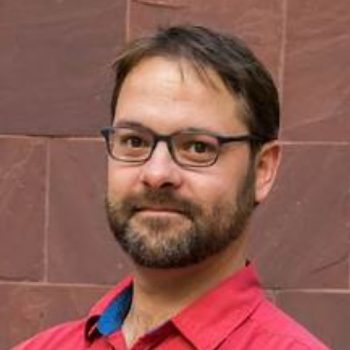
Stephen Mahler
Dr. Mahler helped pioneer the use of DREADDs to manipulate neural circuits during complex addiction-related behaviors, described new roles for the hypothalamic peptide orexin in motivated behavior, and identified a novel endocannabinoid “hedonic hotspot” in the nucleus accumbens.
-

Virginia E. Kimonis
The Kimonis Laboratory is a molecular genetics lab within the Division of Genetics & Genomic Medicine at UC Irvine School of Medicine Department of Pediatrics. Dr. Kimonis discovered an important inherited muscle disorder that occured in combination with Paget disease of the bone and early onset of frontotemporal dementia.
-
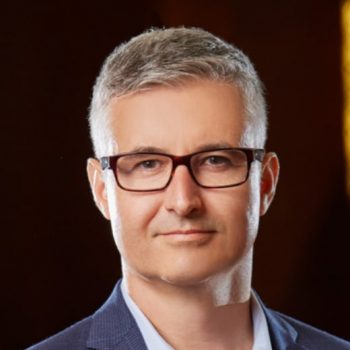
Marcelo A. Wood
My research is focused on understanding the epigenetic mechanisms that regulate gene expression required for long-lasting changes in behavior as related to drug-seeking and drug-associated memory processes. Current collaborative studies involve examination of how cannabis affects epigenetic mechanisms to induce persistent changes in neuronal function and ultimately behavior.
-

Qin Yang
My laboratory uses comprehensive approaches including molecular biology, animal physiology, metabolomics, epigenetics and proteomic analysis to investigate the mechanisms for insulin resistance and energy expenditure in obesity and type 2 diabetes. We will apply these approaches to study the impact of cannabis on metabolism under physiological and pathophysiological conditions.
-
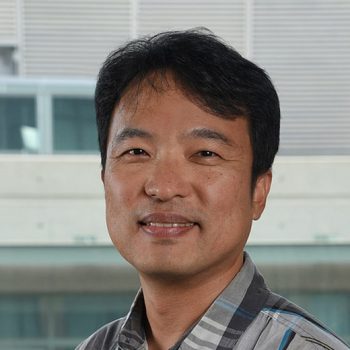
Kwang-Mook Jung
My research is focused on the endocannabinoid system in the brain. More specifically, I have been studying molecular mechanisms controlling the biosynthesis and inactivation of endocannabinoid 2-AG. Moving forward, my study aims to elucidate the mechanism by which early-life cannabinoid exposure affects brain 2-AG signaling and causes persistent cognitive impairment.