
Christopher Reist, MD, is a board-certified psychiatrist and Professor in Residence at the University of California, Irvine. He serves as the Associate Chief of Staff for Research at the Long Beach VA Healthcare System where he oversees the facility’s research infrastructure supporting a broad portfolio of basic and clinical research. He has been at the forefront of clinical trials utilizing novel approaches for treating PTSD including augmentation of psychotherapy using virtual environments and cognitive enhancers and new somatic methods such as stellate ganglion blockade and trigeminal nerve stimulation. Dr. Reist will bring his expertise to develop a better understanding of the role of cannabis in alleviating suffering for civilians and Veterans with PTSD.
Archives: Faculty
-

Jonathan R. T. Lakey
My research in diabetes is focused on alternative source of pancreatic islets for transplant, including stem cells, and using plant chemicals to improve blood glucose response. I plan to study the impact of cannabis on differentiation of stem cells to beta cells, and to suppress autoimmune response in diabetes.
-

Ariana Nelson
My research explores using cannabis as a supplement to improve patients’ function as they decrease their opioid use. The interaction between the endocannabinoid and opioidergic systems has been shown in animal models, and I am investigating the type of cannabis physicians should recommend to improve the health and activity level of their patients.
-
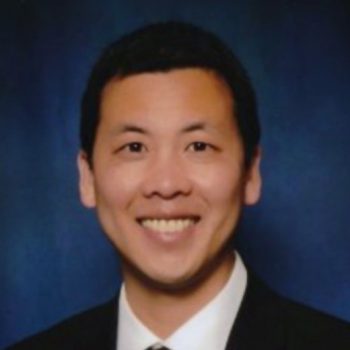
Brent Yeung
My research is focused on identifying biomarkers to measure and identify intoxication/ impairment in individuals using cannabis and to quantify its impact on driving. I also am investigating its impact on various pain states and its potential role as an analgesic and reducing opioid use.
-
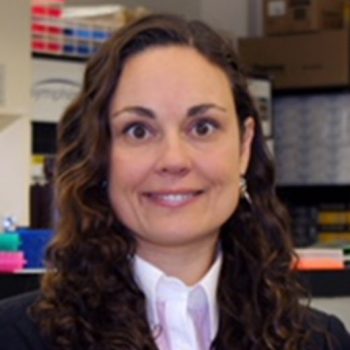
Christie Fowler
My research focuses on elucidating the neurobiological mechanisms underlying motivated behaviors and motivational deficits associated with neuropsychiatric disorders. We are currently working to define the role of extracellular epigenetic signaling mechanisms and brain circuitries involved in the development and maintenance of drug dependence. Of note, we have recently found that THC modulates the release of extracellular vesicles containing miRNAs from neural-derived cells. This line of research is currently being extended to examine the impact of cannabinoids, including THC and CBD, on extracellular signaling mechanisms both in the brain and periphery. We are also working to develop a vapor cannabinoid self-administration protocol to subsequently examine the impact of volitional drug intake on neural circuit function during prenatal, adolescence and adult developmental ages. Further information about our research can be found at the Fowler laboratory website.
-
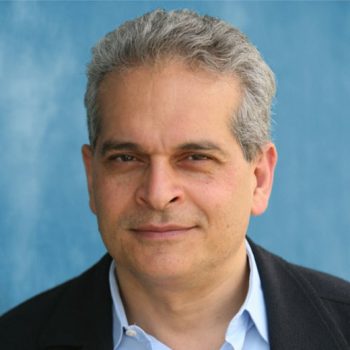
Daniele Piomelli
My research is focused on understanding how endocannabinoid substances and other lipid-derived signaling molecules affect the function of the brain and other organs. More specifically, in the last few decades, we have investigated the biochemical pathways involved in the formation and deactivation of the endocannabinoid neurotransmitters, anandamide and 2-arachidonoylglycerol (2-AG), and has uncovered important physiological roles played by these molecules. We also studied another class of lipid messengers, the fatty-acid ethanolamides (FAEs) and ceramide, and identified the mechanism of action of these molecules. We have developed inhibitors of their degradation, whose potential therapeutic uses are currently under investigation. Moving forward, we plan to study the potential impacts of cannabinoids during lifespan, in particular regarding the persistent brain alteration caused by early-life exposure as well as its potential benefits for selected human disorders.