
Since 2011, Dr. Green’s research has focused on microglia, the immune cell of the brain. His lab discovered that microglia in the adult brain are dependent upon signaling through the colony-stimulating factor 1 receptor (CSF1R) for their survival, and this dependency could be taken advantage of through the administration of specific CSF1R inhibitors leading to the rapid and sustained elimination of >95% of all microglia from the CNS. Through this method his lab is studying the roles that microglia play in normal brain function, as well as their effects on the brain during disease and injury.
Archives: Faculty
-

Faizy Ahmed
Dr. Faizy Ahmed is an analytical chemist with over 30 years of experience in liquid chromatography and mass spectrometry (LC/MS). In his capacity as director of ICAL’s Analytical Core, Dr Ahmed oversees the maintenance of the center’s analytical suite, develops new methods for endocannabinoid and cannabinoid analysis, and trains ICAL students, post-doctoral scholars, and staff in the use of LC/MS equipment.
-
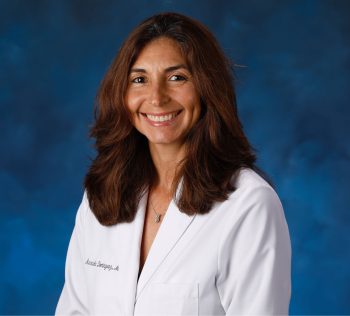
Marcela I. Dominguez
Dr. Marcela Dominguez is a board-certified family medicine practitioner who specializes in integrative approaches to patient care. Investigating underlying causes of illness and restoring normal function is her focus and passion. Dr. Marcela Dominguez comes to us with over 8 years of integrative concierge medicine experience. She focuses on providing personalized, comprehensive, customized, whole-person care.
Dominguez earned her medical degree from UC San Diego, and completed a residency in family medicine at Long Beach Memorial Medical Center. Expanding her medical expertise and care, Dr. Dominguez completed a fellowship in Integrative Cancer Therapies. She also has completed a fellowship with the Medical Association for Pediatric Special Needs, so she can better help young patients with more severe and complex medical conditions. She is currently completing her Chronic Immune Response Syndrome certification to help patients with illness related to exposure to water damaged buildings.
When Dr Dominguez has free time, she loves playing beach volleyball, tennis, hiking, skiing, and spending time with her family.
-
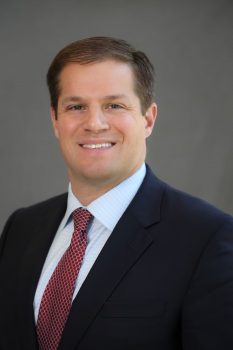
John A. Scolaro, MD, MA
Dr. Scolaro is a board certified orthopaedic surgeon specializing in trauma and fracture care. A graduate of the University of Notre Dame, he earned his master’s and medical degrees at Boston University School of Medicine, followed by orthopaedic surgical residency at the University of Pennsylvania and fellowship at Harborview Medical Center – University of Washington. His research focuses on perioperative use of cannabinoids to mitigate pain related to skeletal fracture care. He is actively collaborating with Drs. Nelson and Yeung from the Department of Anesthesia & Perioperative Care as well as Dr. Piomelli and the UCI Center for the Study of Cannabis.
-
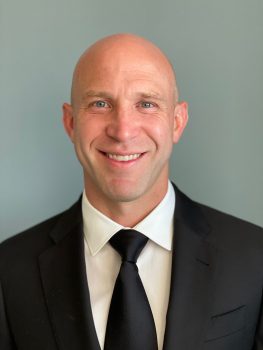
Aaron J. Przybysz
Dr. Aaron Przybysz (pronounced shi-bish) is a board-certified UCI anesthesiologist and pain management physician who specializes in interventional pain management. His clinical interests include spine pain, peripheral joint pain, neuropathic pain, cancer pain, and headache management.
He earned his medical degree from Michigan State University’s College of Human Medicine in East Lansing and a PhD from Vanderbilt University in Nashville, Tenn., where he studied signaling pathways associated with the oxidative stress response. He completed a residency in anesthesiology and a fellowship in pain medicine at the University of Michigan in Ann Arbor.
His research interests include the use of perioperative and intraoperative analgesic techniques to reduce post-operative pain, the effects steroid injections may have on diabetes management, as well as the role cannabinoids may play in treating acute and chronic pain.
-
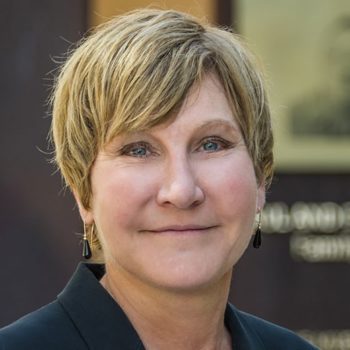
Cornelia Pechmann
Connie (Cornelia) conducts lab and field experiments to study controversial marketing messages including tobacco and drug messages and social media messages. She has received numerous grants to study adolescents’ response to tobacco-related advertising and product placements. Her recent work examines the use of social media for online self-help groups and she has received a $2.5M NIH grant to develop Tweet2Quit for smoking cessation. Prof. Pechmann is currently seeking a grant to study how state and local policies and health events such as COVID affect youth and adult marijuana use by product type, and also the extent of youth exposure to direct marketing websites that sell marijuana. Prof. Pechmann has published numerous articles in leading marketing journals (JCR, JCP, JMR, JM and JPPM) and public health journals (AJPH, TC) and her work has received extensive press coverage. She is past Editor of the Journal of Consumer Psychology (2012-2015), an Area Editor at Journal of Marketing, a Top 50 Marketing Scholar, and a Who’s Who in Economics. She received the 2009 Pollay Prize for Research in the Public Interest, the 2005 JCR best article award, the 2020 Academic Senate Special Award for Impact on Society and the 2020 AMA-EBSCO Annual Responsible Research in Marketing Award. Her research has been presented to the U.S. Congress, the California State Legislature and the National Association of Attorneys’ General. Prof. Pechmann has an M.S., MBA, and PhD from Vanderbilt University.
-
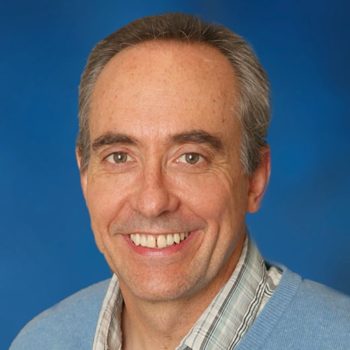
David Timberlake
My work focuses on epidemiology, marketing, and policy issues in tobacco control, particularly in regards to the contentious debate over the use of tobacco products (e.g., snus, electronic cigarettes) for harm reduction. I have also maintained an ongoing interest in the epidemiology of the co-use of tobacco and cannabis, mainly in the form of blunt smoking. More recently, this interest has extended to the retail availability of tobacco products that are used with cannabis (e.g., cigarillos), as well as the promotion of non-tobacco alternatives (e.g., hemp wraps).
-
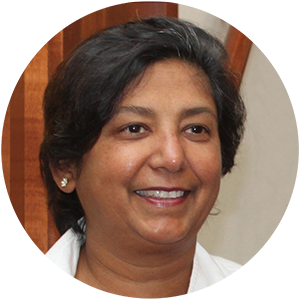
Kalpna Gupta
Dr Kalpna Gupta has led pioneering work in understanding the mechanisms of adverse effects of opioids on cancer pain leading to cancer progression, and laid down the foundation of understanding the mechanisms of pain in sickle cell disease (SCD). These insights will help us treat both pain and the underlying disease process causing pain in the first place. Her laboratory has identified several new targets at the intersection of the sickle disease process and pain, including cannabinoid receptors, mast cells, and the nociceptin receptor, in addition to integrative approaches including environment’s modification, acupuncture and perception modulation to relieve pain. Dr Gupta is also a recipient of the Excellence in Hemoglobinopathies Research Award from NHLBI to examine the potential of cannabinoids to treat pain and develop methods to quantify pain objectively. She has served as an advisor to the SCD program at NHLBI/NIH and received the “Pioneer Award” from the Sickle Cell Disease Association od America.
-
Peter Kalivas
The Kalivas lab studies neuroplasticity underlying the development of addiction to drugs of abuse, as well as the learning and memory deficits associated with impoverished rearing environments. Research is at the level of protein biochemistry, neural circuitry and behavioral modeling. The current focus for both addiction and isolation rearing is in adaptations in excitatory neurotransmission. In collaboration with electrophysiologists in the department (Drs Lavin, Seamans, Woodward) we are elucidating the fundamental role of extracellular glutamate homeostatis in regulating neurotransmission and neuroplasticity. This has led to preclinical and clinical evaluations of specific proteins as targets in treating addiction, including metabotropic glutamate receptors and the cystine-glutamate exchanger.
Learn more about Dr. Kalivas -

Ken Mackie
Ken Mackie studies the role and function of the endocannabinoid system by using a combination of electrophysiological, imaging, biochemical and immunological approaches. His research interests also include the role of endocannabinoids in synaptic plasticity and the function of novel cannabinoid receptors.
Learn more about Dr. Mackie